
Security Information & Event Management (SIEM)
Centralised SIEM monitoring for security, compliance, and incident response.
SIEM gives your organisation a unified view of security events across your entire environment from endpoints and servers to cloud services, identities, and applications.
By collecting and analysing logs in real time, SIEM helps identify suspicious activity early and supports informed, evidence-based incident response. SIEM forms a core part of modern security operations, providing the visibility that supports faster detection, investigation, and response across SOC and MDR services.

How SIEM Protects Your Business
cases
Centralised Log Collection
Collects security logs from endpoints, servers, cloud platforms, and identity systems into one searchable SIEM platform for faster investigation and better visibility.
assignment_turned_in
Real-Time Event Correlation
Correlates activity across systems to detect suspicious behaviour early and reduce the time attackers remain undetected.
notifications
Automated Alert Prioritisation
Suspicious activity such as failed logins, privilege escalation, or unusual access patterns triggers prioritised alerts so teams can respond faster.
bar_chart
Security Insights & Dashboards
Clear dashboards and reporting provide visibility into user behaviour, access attempts, failed logins, unusual workloads, and changes to critical systems.
public
Threat Intelligence Integration
Your SIEM uses up-to-date threat intelligence to identify known attack signatures, malicious IPs, and emerging threats.
How SIEM Protects Your Business
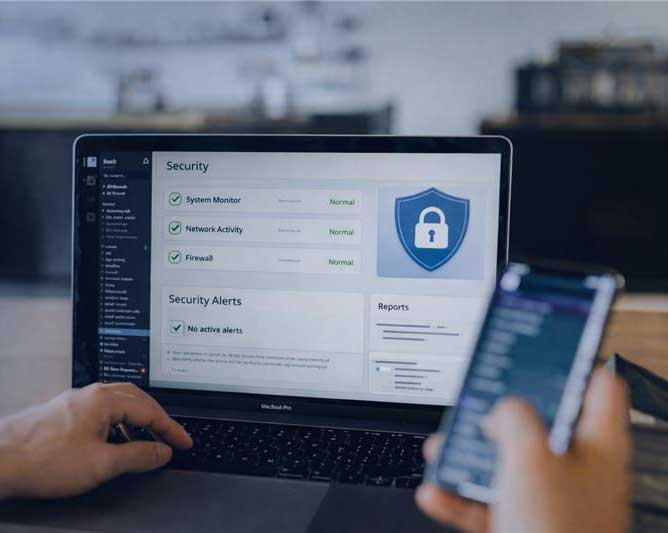
How SIEM Strengthens Your Security
Traditional security tools often provide isolated alerts with limited context. SIEM centralises security data, helping your team detect suspicious behaviour, investigate incidents faster, and respond before threats escalate.
It acts as the intelligence layer connecting detection, investigation, and response across your wider security operations.